

Council’s dilemma – it’s got a weedkiller that doesn’t kill weeds!
It seems the process of killing weeds in public places is not as straightforward as it once was.
Writing in his monthly report Hastings Borough Council (HBC) leader Peter Chowney says: “It’s probably not escaped your attention that there are a lot of weeds around Hastings streets.
“Responsibility for weed removal was not entirely clear, but HBC decided to take on the responsibility for it last year, accepting a payment from East Sussex County Council towards it. However, this year, we couldn’t find a contractor to do the weed spraying. That’s now been sorted out, and weed spraying should take place imminently, with a second spray in the autumn. So apologies for all the weeds – they should be gone soon.
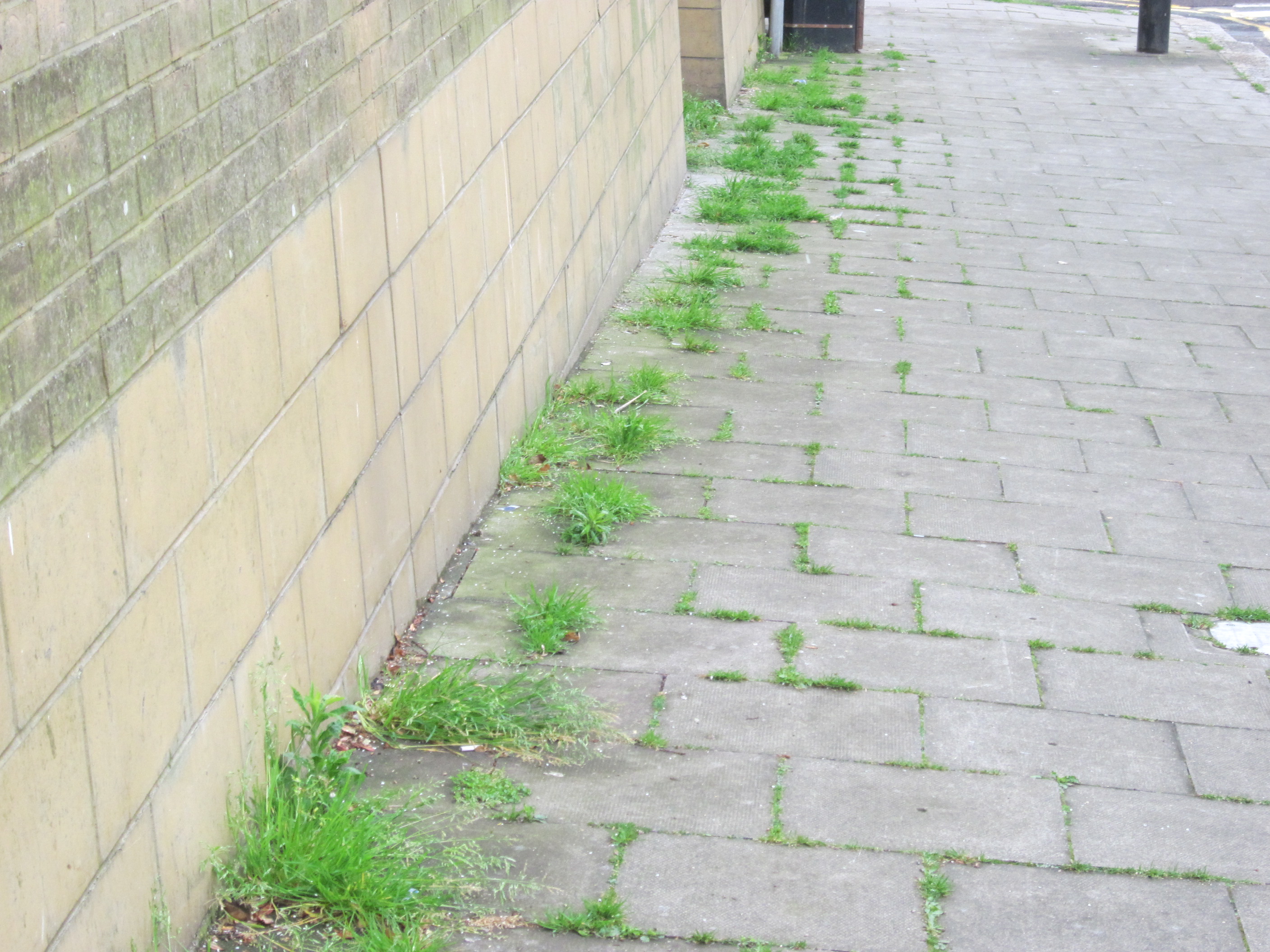
“However, weed spraying is not a particularly satisfactory process. The only weedkiller left that’s authorised for use in a public place is Glyphosate. Glyphosate is slow-acting and can take a couple of weeks before it works. Some weeds are resistant to it – ground elder seems to shrug it off, for example – and it’s ineffective if it rains within 48 hours of spraying. Added to that, although it is authorised for use throughout the EU, recent concerns about it being potentially carcinogenic mean the strength that can be used has been decreased, so it’s even more ineffective. It has an advantage that it’s deactivated as soon as it comes into contact with soil, so doesn’t kill plants apart from the ones it’s sprayed on.
“However, some studies suggest that it can be environmentally persistent, and its ‘deactivation’ on contact with soil isn’t complete. Some councils (eg Bristol) have experimented with natural weedkillers, such as acetic acid, derived from vinegar, but it only kills the top growth, not the roots, and it made the city smell like a chip shop, so they abandoned it.
“Next year, when we hopefully realise our aim to bring the street cleansing service back in-house, weed clearance will be easier to organise, by equipping the street cleaning staff with spray packs so they can spray weeds when they see them. However, we’d like to move away from using synthetic chemical herbicides on our streets altogether. So we’d simply get the operatives to grub out the weeds as they see them. That is more labour-intensive and requires more staff, but it seems very likely that Glyphosate will be banned altogether within the next few years, so it seems to make sense to work towards a more environmentally-friendly solution as soon as possible.”
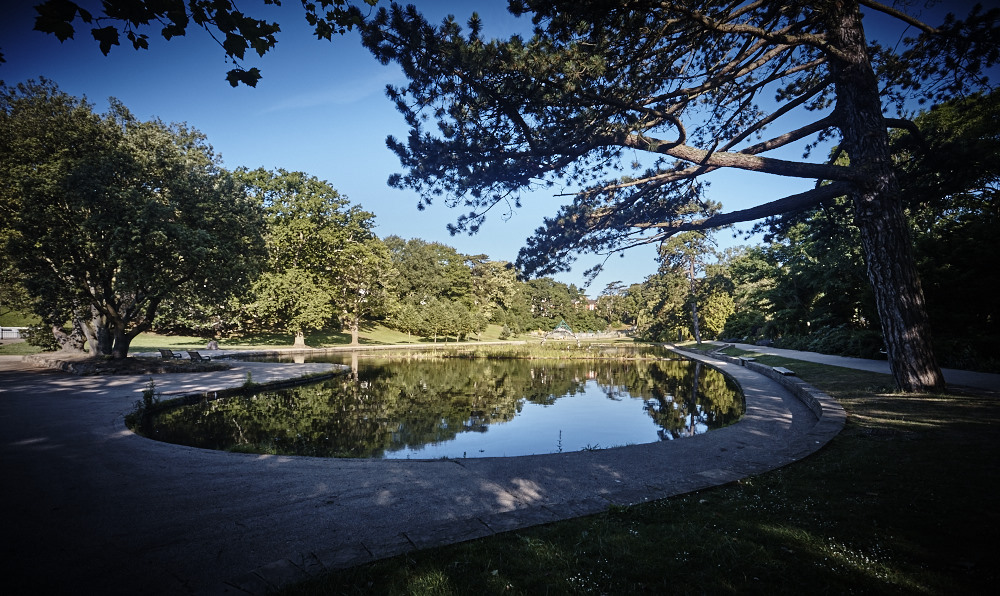

The weed killer applied has turned leaves brown and the trees are shedding in Milward Road and St Mary’s Road. Killing trees, insects, birds and humans will suffer. If your kitchen needs upkeep do you burn it down?